Onimusha: Way of the Sword Beginner Guide — Tips for New Samurai Players
Updated 2026-06-03
Jumping into Onimusha: Way of the Sword as a newcomer can feel overwhelming. The Genma hit hard, the Issen parry window is tight, and Kyoto's interconnected districts make it easy to get lost. This beginner guide covers the fundamentals you need to survive the opening hours and build good habits that carry through the entire campaign.
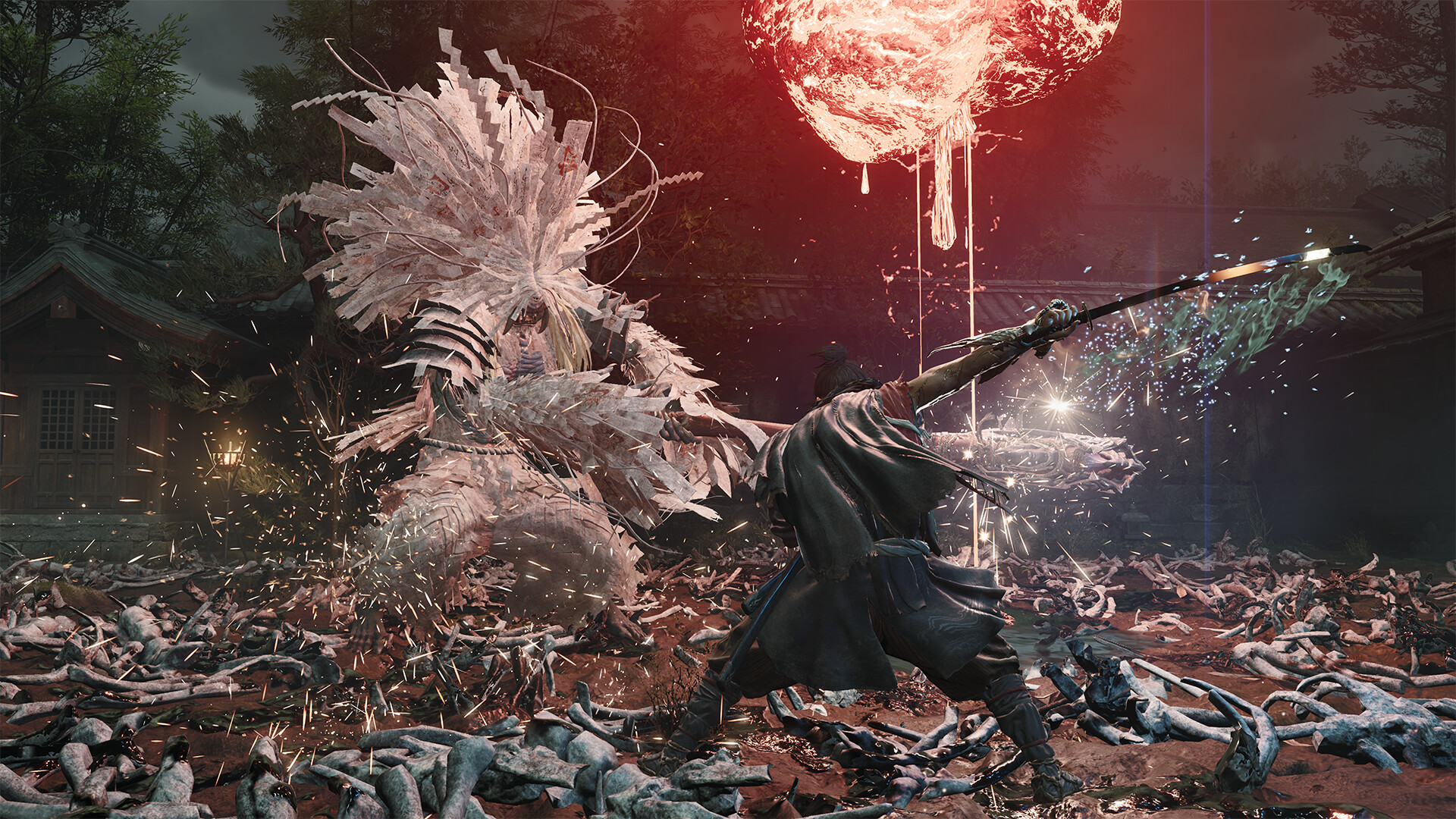
Master the basics first
Do not try to Issen-counter everything from the start. Focus on blocking and dodging in the first area until you learn enemy attack patterns. The tutorial area has slow Genma Soldiers with telegraphed swings—practice parrying their third hit. See our Combat guide for detailed parry timing. Your standard combo (square / X four times) staggers most basic enemies long enough to finish them without taking damage.
- Block early, parry later: holding block is safe; parrying is high-risk, high-reward.
- Use your bow: aerial Genma and distant archers are easier to pick off at range.
- Explore every side path: hidden soul caches and upgrade materials are off the main route.
- Rest at shrines often: they refill health and magic but respawn nearby enemies.
Soul economy tips
Yellow souls are your permanent currency for upgrades—never waste them. Spend yellow souls on weapon upgrades before magic upgrades in the early game. Red souls fuel your magic attacks but drain quickly if you spam. Use magic only when surrounded or against shielded enemies. Blue souls drop less frequently; save them for boss fights by not picking them up immediately. Check our Oni Gauntlet guide for more soul management strategies.
| Soul Type | Use | Priority |
|---|---|---|
| Yellow | Permanent weapon upgrades | Highest—spend first |
| Red | Magic attacks | Save for emergencies |
| Blue | Health restore | Save for boss encounters |
Return to the Combat guide for advanced techniques, the Weapons guide for upgrade paths, and the Difficulty guide for choosing your challenge level once you are comfortable with the basics.
First-hour priorities
Your first hour matters. Head straight to the shrine in the Temple Gate district after the opening cutscene. The shrine is your checkpoint and upgrade hub—unlock it before exploring anything else. Spend your first yellow souls on the katana's base damage upgrade, not on flashy moves. A stronger basic slash kills Genma Soldiers in one fewer hit, and that adds up fast across dozens of encounters. Grab the bow from the weapon rack in Market Row before pushing deeper. Ranged pulls let you thin groups without triggering full-room aggro. See the weapons guide for the full upgrade tree.
Common beginner mistakes
Beginners make the same mistakes over and over. Don't hoard souls—spend them. Yellow souls sitting in your inventory don't help you survive the next fight. Don't skip the Gauntlet tutorial arena either. The practice dummy inside lets you drill Issen timing without dying to a Genma. Spend five minutes there before your first real encounter and you'll save yourself a dozen deaths. The biggest trap is trying to parry everything. Some attacks flash red—those are unblockable and you must dodge them. Block is your best friend for the first two hours. Our combat guide breaks down every enemy's parry window.
Exploration that pays off
Explore off the main path but don't wander aimlessly. The Temple Gate district has two hidden soul caches behind destructible walls—look for cracked plaster surfaces. Market Row has a rooftop route accessible by climbing crates near the fish vendor stall. It leads to a blue soul cache and an elite Genma spawn that drops rare upgrade materials. Clear the area first, then trigger the elite. If an enemy seems impossible, you probably missed an upgrade path. Backtrack to the shrine and check your weapon level before banging your head against a wall.
FAQ
- How long does it take to learn the Issen timing?
- Most players get comfortable with basic Issen within 30-60 minutes of practice on the tutorial Genma Soldiers. Boss windows are tighter and may require separate practice.
- Should I play on Easy or Normal for my first run?
- Normal is the intended experience. Easy reduces enemy damage and gives larger parry windows, but Normal teaches you the combat systems properly for harder difficulties later.