Onimusha: Way of the Sword Review — Capcom's Samurai Action Revival
Updated 2026-06-03
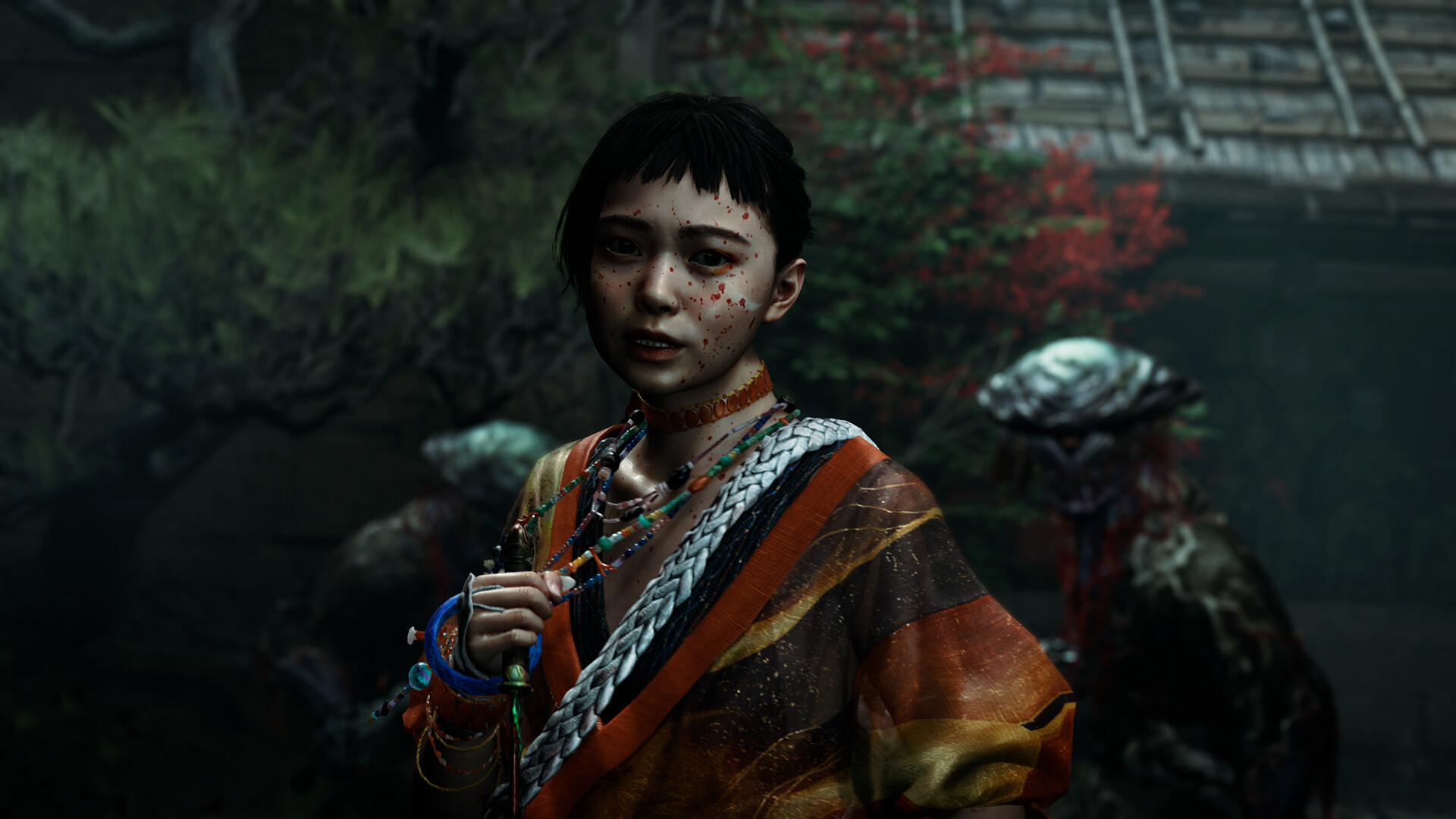
Onimusha: Way of the Sword is the revival that fans hoped for and newcomers can embrace. Capcom built this entry in the RE Engine, and it shows—Kyoto is gorgeous in its decay, with blood-soaked temple floors, flickering lantern light, and Genma designs that feel lifted from Japanese ink paintings twisted into nightmare shapes. The combat is weighty, deliberate, and deeply satisfying once the Issen timing clicks. This review covers the full package: combat, exploration, story, and performance.
Combat that rewards patience
The Issen counter system is the star. Landing a frame-perfect parry that deletes a Genma soldier in one slash never gets old. The weapon variety is solid—katana, nodachi, dual blades, and bow each fill a distinct role. Elemental magic adds crowd-control options without overshadowing melee. Boss fights are the highlight: multi-phase encounters that demand you learn patterns and punish greedy play.
- Issen counters: perfect parries reward instant kills on standard enemies.
- Magic system: three schools with distinct utility, not just damage.
- Boss design: multi-phase fights with clear telegraphs and satisfying punishes.
Exploration and atmosphere
Kyoto is a joy to explore. The interconnected districts loop back on themselves smartly, rewarding players who remember locked gates and revisit them with new abilities. The sound design is phenomenal—Genma growls echo through empty streets, and the Issen ring is unmistakable. The story is serviceable samurai drama; the real draw is the atmosphere and the combat.
Fans of the original Onimusha trilogy will feel at home immediately. The fixed camera angles are gone—replaced by a modern over-the-shoulder view—but the combat rhythm is pure Onimusha. Way of the Sword strips away the tank controls and prerendered backgrounds of the PS2 era without losing the deliberate pacing that made those games distinct. The story references events from Onimusha 3 and Dawn of Dreams, but you do not need to play the older games to understand what is happening. Capcom threaded nostalgia for returning players into the level design: the first time you step into the Burned Castle, the layout echoes the original Onimusha's opening hour. This is what a series revival should feel like—familiar but not shackled to the past.
Newcomers get a clean entry point. The demo front-loads the combat tutorial with a practice dummy that teaches Issen timing before you face a single enemy. The opening chapter holds your hand through the first shrine visit, weapon selection, and soul absorption, then cuts you loose. It is a tight onboarding sequence—about fifteen minutes from the start screen to your first real fight. Compare that to Nioh or Sekiro, which throw you into the deep end, and Way of the Sword feels welcoming without being patronizing. The combat systems are deep but introduced one at a time. You learn blocking, then dodging, then parrying, then magic—each layer adds complexity on a solid foundation.
This is neither a remake nor a direct sequel. Capcom calls it a series revival, which is the right label. It lifts the tone and themes from the PS2 games but tells a standalone story with a new protagonist. Longtime fans who wanted a straight Onimusha 2 remaster may grumble, but Way of the Sword earns its place in the series on its own merits. The demo makes the case better than any preview—play the first hour and you will know whether this revival clicks for you.
If you want a challenging, atmospheric action game with one of the best parry systems ever designed, Onimusha: Way of the Sword delivers. It respects the series legacy while standing on its own.
FAQ
- How long is the campaign?
- Roughly 15-20 hours on a Normal playthrough with moderate exploration. Completionist runs with all collectibles take closer to 25 hours.
- Is there replay value?
- Yes. Higher difficulties change enemy placements and shrink Issen windows. New Game Plus carries over upgrades for a more aggressive second run.